
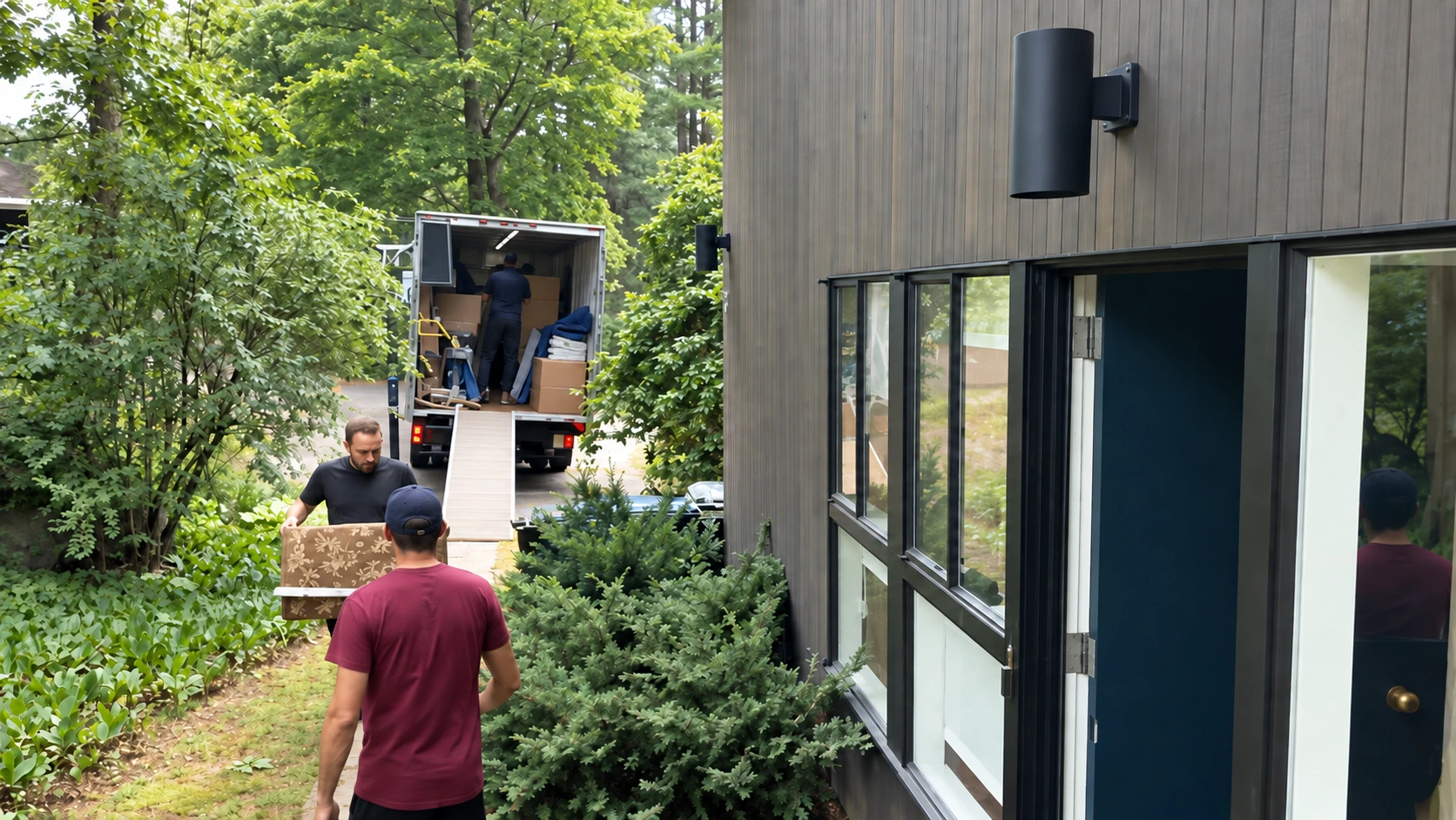
A Charleston apartment move is easier to plan when the pickup and destination are treated as two separate buildings. A peninsula apartment, a West Ashley address, and a Mount Pleasant complex may offer different loading positions and move windows. The guide below turns those rules into one workable request while leaving room for details that still need confirmation.
Start with two separate access sheets
An apartment move has two properties, and their rules rarely match exactly. Write one sheet for the pickup and another for the destination. On each, note the approved loading entrance, legal truck position, elevator or stair route, permitted hours, and the name of a building contact. A single address line cannot answer those questions.
Name a person who can answer at each property
Record the manager or desk contact, service entrance, truck position, elevator booking, and permitted hours for both addresses. Keep the two sheets distinct. A Charleston peninsula pickup may require one check-in procedure while a destination across the Ashley River follows another.
The two access sheets should contain enough detail to guide someone who has never visited either building. Include unit and floor number, approved door, vehicle position, elevator or stair route, manager contact, and the time the route may be used. Ask whether padding or protective coverings are required in shared spaces. If an instruction is only verbal, write down who provided it and confirm the booking directly with the property. This reduces confusion when a Charleston pickup and a different destination operate under separate management.
Compare the windows, not just the dates
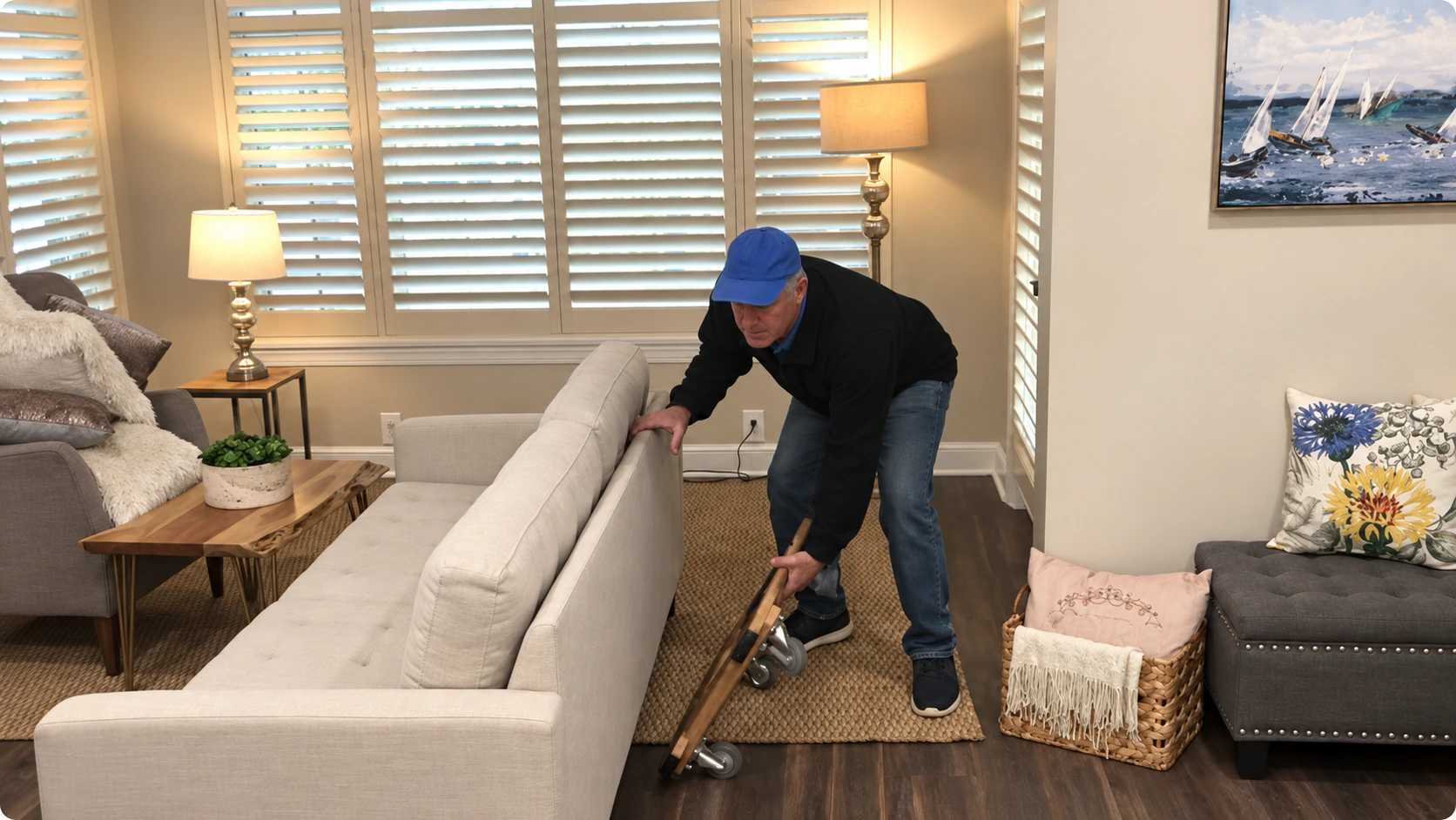
If one building allows a morning elevator slot and the other permits afternoon unloading, put those times side by side before choosing a plan. Ask whether protective pads, a certificate, or advance notice is required by either property. Confirm the rules with the property itself; a neighbor’s past experience may be out of date.
Work backward from the tighter window
Put the two reservations on a timeline with time for protection, loading, travel, building check-in, and unloading. If one building offers only a short elevator slot, ask which steps can happen before it begins. Confirm the slot with the property rather than assuming it will be available.
Treat the shorter of the two reservations as the schedule constraint. Estimate the sequence of protecting furniture, moving it through the corridor, loading, travel, check-in, and unloading before deciding whether the windows fit. Ask each manager whether the move can start early or continue late if necessary, but use the answer given rather than assuming flexibility. If the windows do not work together, resolve that before the day is booked. A short route from the peninsula to West Ashley does not make a narrow service elevator faster.
Measure the difficult part of the route
Photograph the narrowest door, stair landing, and furniture turn at both ends. Include a long hall or a distant truck position even if the elevator is large. A sofa that clears the unit door can still fail at a shared entry or tight corridor. Record the dimensions of the piece and the opening rather than guessing from a photograph alone.
Include the corridor and truck stop
Measure the largest item and each difficult doorway, stair landing, elevator opening, and turn. Note the distance from the approved vehicle position to the unit. Photos make a route easier to explain, but dimensions help decide whether an item needs disassembly or a different path.
Measure every part of the route that could stop the largest piece: unit door, hallway corner, elevator opening, service door, and truck approach. Photograph the obstacle from more than one angle, but include a tape-measure reading when clearance is close. Note whether a long corridor prevents use of a cart and whether the truck must stand farther away than the closest door. A sofa or cabinet may need planned disassembly or protection, and the request should say who will handle that work before the moving window starts.
Label for the destination
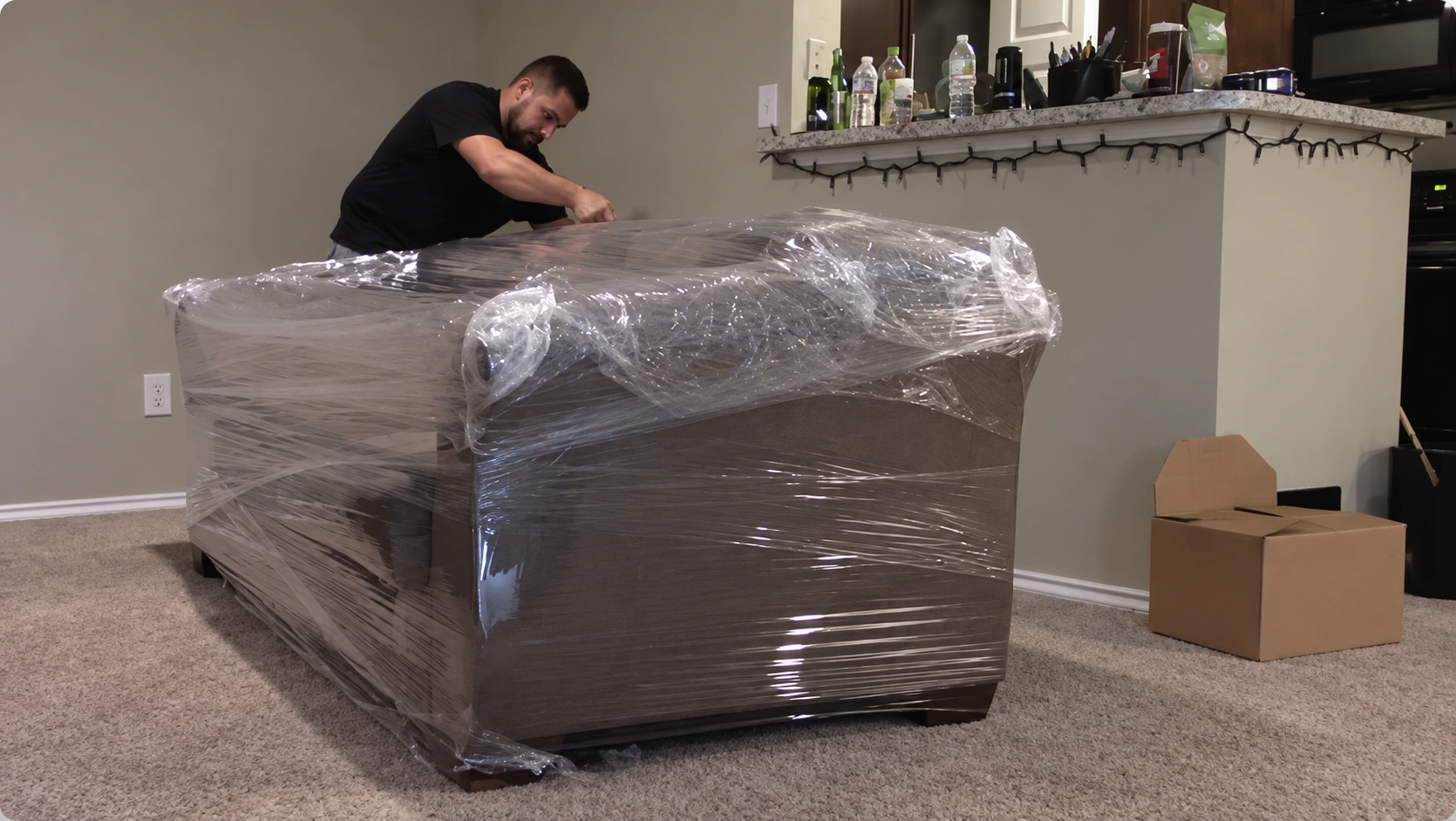
Use a consistent room name on cartons and a short list for large furniture. Keep keys, documents, medication, and the items needed immediately outside the moving load. If a move crosses from the Charleston peninsula to West Ashley, the destination room plan is just as useful as the loading reservation.
Mark priority items clearly
A label should name the receiving room, not merely the room being left. Identify beds, work equipment, and essential boxes that should arrive first. Keep medication, keys, identification, and chargers with the household so a delayed elevator or building handoff does not make them inaccessible.
Destination labels should use room names that the receiving person understands. If two bedrooms look alike, identify them by location or a simple floor-plan mark. List pieces that need placement before smaller cartons, and keep keys, documents, medication, chargers, and daily supplies with the household. Ask where the building allows sealed cartons to wait briefly; common corridors may have restrictions. Preparing this handoff avoids using the elevator time to decide where every item belongs after it has already been carried inside.
Send a clear request
Share the two access sheets, room inventory, photographs, and requested service with Omega Movers. Identify any building approval that is still pending. The company can then review the actual route and scope before discussing availability and written terms.
Flag approvals that are still pending
Send Omega Movers the room inventory, access sheets, photographs, and preferred date in one request. If a building has not confirmed a loading position or window, state that openly. The company can discuss the actual work and written terms once those constraints are known.
A clear request to Omega Movers should distinguish the service the household wants from building rules that are still unresolved. State the carton and furniture inventory, packing tasks, large-item measurements, and any fixed reservation. If one manager has not approved a truck position, mark it as pending rather than treating a nearby curb as available. Keep the most recent access sheet with the request. That way a change to the destination window can be reviewed against the whole plan, rather than as an isolated message.
Make a backup plan for access changes
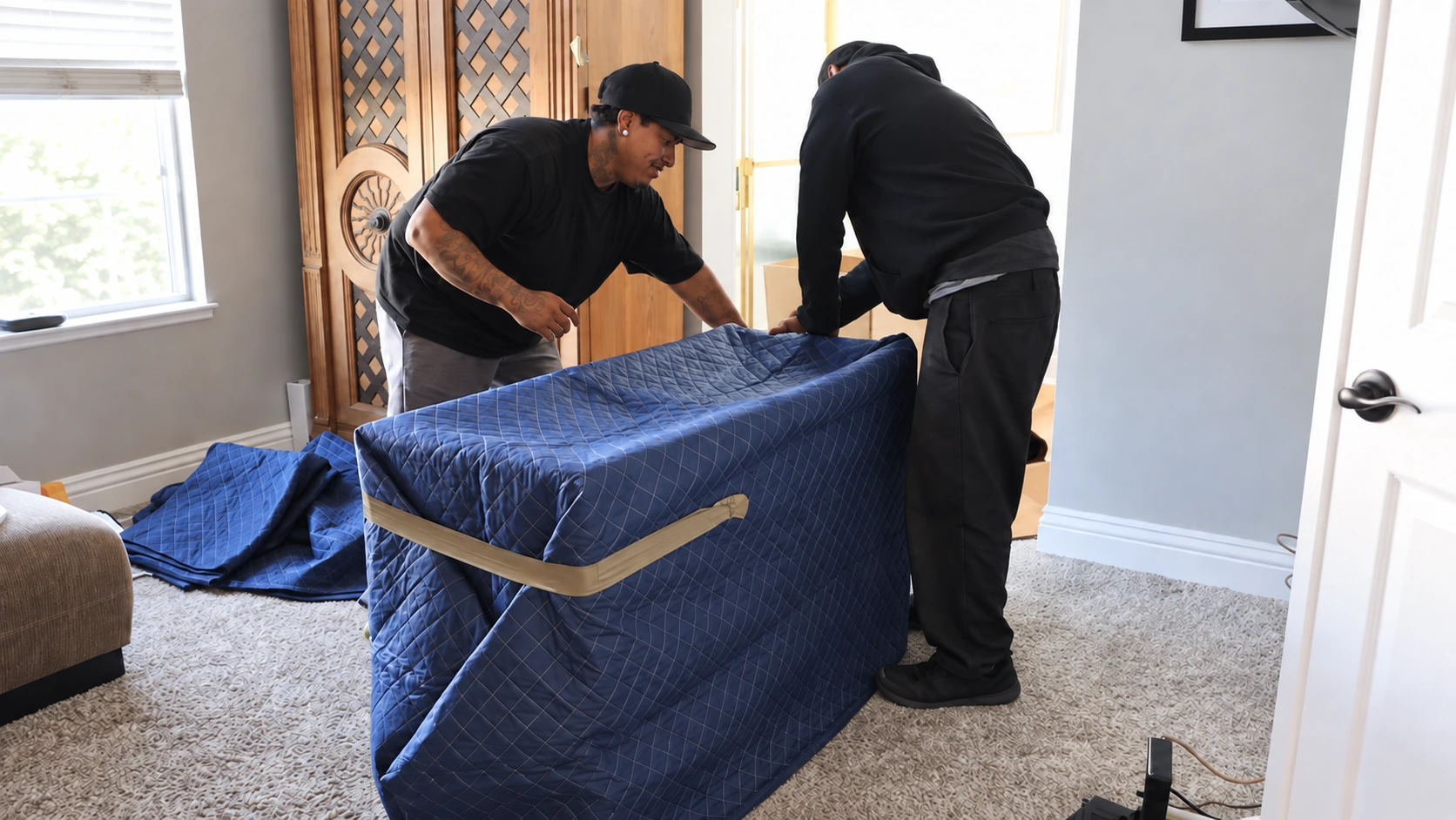
A reservation is useful only if the people at both properties know how it will be used. The day before the move, confirm the elevator or loading window with each building contact and save the number that will be answered on moving day. On the Charleston peninsula, a legal truck position may be different from the closest door; note the actual distance in the same access sheet. If the destination window shifts, tell everyone before cartons are loaded so the order can be adjusted. Keep a small group of items that cannot wait for a later unloading slot with the household. This backup plan does not replace building approval, but it prevents a last-minute access question from being lost in a group text.
Decide who can authorize a change
Keep the two property contacts reachable on moving day. If an elevator time changes, tell the mover before loading starts so the sequence can be reviewed. A backup plan should respect the buildings and approved truck position, not rely on an unplanned curb or blocked shared hallway.
The backup plan should name the person who can authorize a revised elevator slot and the person who can direct the household at delivery. Confirm both contacts the day before the move. If a manager changes the route, check how it affects long carries and staging before a crew begins loading. Do not leave protected furniture in a shared hall while waiting for permission. A backup is useful when it is a permitted sequence of steps, with current contacts and a clear way to update the moving team.
Finish with a confirmed arrival plan
Before the truck leaves the pickup, the receiving person should know the likely arrival window, approved entrance, and route to the unit. Keep the new apartment ready for large furniture and avoid filling the service corridor with cartons. If either building changes its instructions, update the shared plan before the crew reaches the property.
Give everyone the same arrival sheet
Confirm the destination entrance, elevator or stair route, receiving person, and room labels the day before the move. Send one current version to the household and moving contact. A single updated sheet reduces conflicting instructions when the pickup and delivery buildings have different rules.
Two-building request checklist
- Approved truck position and service entrance at both addresses.
- Elevator or loading reservations with building contacts.
- Measurements and photos of the largest furniture path.
- Room inventory and destination labels for cartons.
- Pending approvals and a reachable receiving person.
| Stage | What matters | Action |
|---|---|---|
| Pickup | Loading door and reserved window | Confirm with current building |
| Delivery | Receiving entrance and elevator route | Confirm with new building |
| Furniture | Tightest turn and protection needs | Share measurements and photos |
| Change | Manager contact and revised slot | Update everyone before loading |